
The short answer
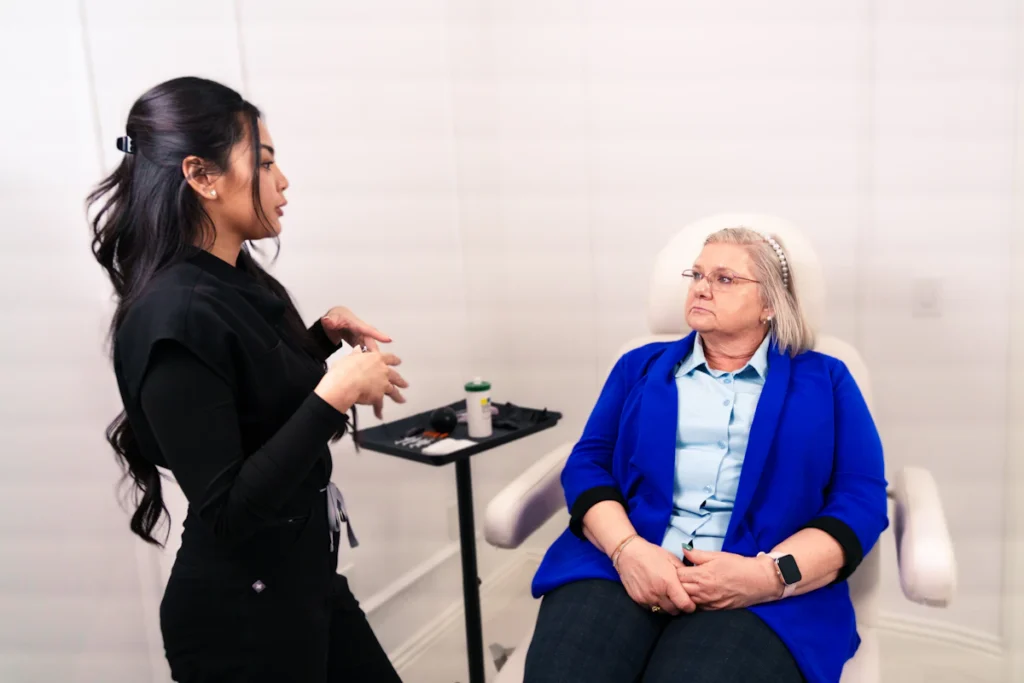
“Face injections” covers different treatments. Botulinum toxin temporarily changes activity in selected muscles; dermal fillers add volume or support. Neither is a do-it-yourself treatment. Each calls for a proper consultation with a professional legally qualified for that specific procedure.
At home, focus on skin basics you can sustain: sun protection, gentle cleansing and moisturizer. Home care cannot reproduce an injection or replace a diagnosis. Avoid self-injection, needle-free filler pens and devices that pierce or deeply alter the skin.
Botulinum toxin and fillers do different things
Botulinum toxin
Botulinum toxin products temporarily reduce activity in specific muscles. In aesthetic care, a clinician may discuss them for some expression-related lines. They are not fillers and do not restore lost volume. The effect is temporary and depends on the product, treatment area and individual anatomy.
Short-term effects can include redness, swelling, soreness or bruising; nearby muscles can also be affected. Product labeling includes a warning that toxin effects can rarely spread beyond the injection area. Seek urgent medical help for trouble swallowing, speaking or breathing after treatment. FDA and product authorizations differ by country.
Dermal fillers
Fillers are injectable products used to add or restore volume in selected areas. Hyaluronic-acid fillers are one category; other materials have different properties and may not be reversible in the same way. “Filler” is not one substance, and the name alone does not show whether a product or treatment is appropriate.
Temporary tenderness, swelling, redness and bruising can occur. A rare but serious complication happens when material blocks a blood vessel. It can damage skin and may affect vision or cause a stroke. The clinician should explain the exact product, expected result, alternatives, risks, aftercare and how to reach help.
Other treatments are not interchangeable
Prescription skin medicines, chemical peels, lasers, energy-based procedures and microneedling address different concerns. Their suitability depends on the skin, health history, product or device and the professional performing the treatment. Do not assume a device is safe for home use because a clinic offers a related procedure.
A simple at-home routine
- Protect skin from the sun. Choose broad-spectrum SPF 30 or higher; a water-resistant product is useful outdoors. Follow the label and reapply at least every two hours outdoors and after swimming or sweating. Shade and protective clothing help too.
- Cleanse gently. Use a cleanser that does not leave skin uncomfortably dry or irritated. Scrubbing harder is not more effective.
- Moisturize. A moisturizer can improve comfort and temporarily soften the look of dryness lines. It does not change facial volume or muscle activity.
- Add active products cautiously. Introduce one change at a time and follow the label. Retinoids are not appropriate during pregnancy; ask a doctor or pharmacist about ingredients if pregnant, breastfeeding, managing a skin condition or using prescription treatment.
- Give a routine time. Be wary of rapid promises. If you compare photos, keep lighting, expression and camera angle similar.
For persistent acne, a changing lesion, unexplained rash or significant irritation, seek medical advice instead of adding more cosmetic products.
What should stay with a qualified professional?
Do not inject botulinum toxin or filler yourself or ask an unqualified person to do it. Avoid products bought directly online, injections at homes or parties, and needle-free devices marketed for filler. The American Academy of Dermatology warns that home microneedling can cause infection, scarring and pigment changes; deeper procedures need professional assessment.
Before booking a procedure, ask:
- What is the exact product and intended use? Can I read its patient information?
- What qualification allows you to perform this specific procedure here?
- What outcome is realistic for my anatomy, skin and health history?
- What are the common effects and rare urgent complications?
- Who will assess a problem afterward, and how do I contact them?
- What are the alternatives, including starting with skin care or doing nothing?
- What is the full price, including any review or follow-up?
U.S. FDA and AAD materials are useful safety references, but their product approvals and professional titles do not define Czech or EU rules. Check the requirements that apply locally to the product and procedure.
When to seek urgent help after filler
Sudden vision changes, severe or worsening pain, pale or dusky skin, unusual mottling, weakness, trouble speaking or other stroke-like symptoms need urgent medical assessment. Use local emergency services for sudden severe symptoms. Do not wait for a routine follow-up or try another home product.
The takeaway
A steady home routine can protect skin and support comfort. Injections and procedures that penetrate or substantially affect tissue belong with a qualified professional, a real consultation and an honest discussion of uncertainty and risk. Some people choose injectables; others prefer skin care or no cosmetic treatment.
Turn this into a habit in 30 days
The 30-Day Longevity Reset turns the research into 15 minutes a day: eating window, movement, strength and calm – one simple step at a time. Join the waitlist for first access and a founding-member price.
Sources
- American Academy of Dermatology. Botulinum toxin therapy: FAQs and preparing for treatment.
- U.S. FDA. Dermal filler Do’s and Don’ts (U.S.-specific safety guidance).
- U.S. FDA. BOTOX Cosmetic prescribing information (official product safety label; U.S.).
- American Academy of Dermatology. Microneedling and wrinkle remedies.
- European Commission. Cosmetic products. Cosmetic-product rules do not by themselves establish the rules for injectable medicines or devices.
Educational content only; not individualized medical advice. Immortal Pills does not provide cosmetic injections or diagnose skin conditions. Product authorization and professional requirements depend on treatment and jurisdiction. Check current Czech and EU requirements.
